
Common Myths about Concrete and Paver Installations Debunked


Understanding Concrete and Paver Installations
Concrete and paver installations are popular choices for driveways, patios, and walkways. However, several myths can lead to misconceptions about their use and maintenance. It's essential to separate fact from fiction to make informed decisions about these materials.
Both concrete and pavers offer durability and aesthetic appeal, but understanding their true nature is crucial. Here, we debunk some common myths surrounding these installations.
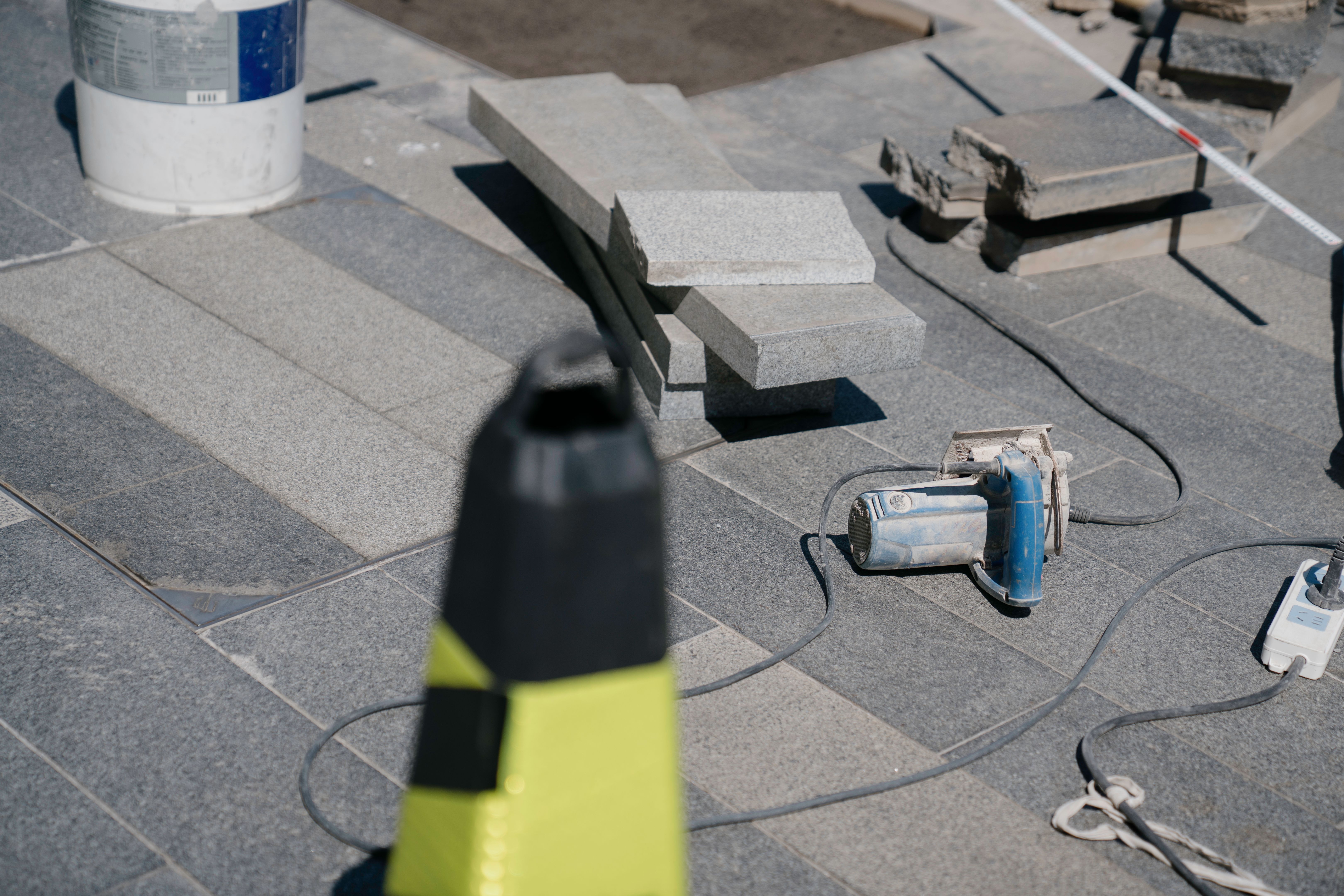
Myth 1: Concrete Is Always More Durable Than Pavers
Many people believe that concrete is inherently more durable than pavers. While concrete is strong, it can crack under pressure, temperature changes, or ground movement. Pavers, on the other hand, are interlocking and can flex slightly, which helps them withstand these conditions better.
Moreover, if a single paver gets damaged, it can be replaced without disturbing the surrounding area. In contrast, repairing a cracked concrete slab can be more complex and costly.
Myth 2: Pavers Are More Expensive in the Long Run
It's a common misconception that pavers are more costly due to maintenance and repairs. While the upfront cost of paver installation might be higher, their longevity and ease of repair often make them more cost-effective over time. Routine maintenance, such as sealing and occasional cleaning, can keep pavers looking new for years.
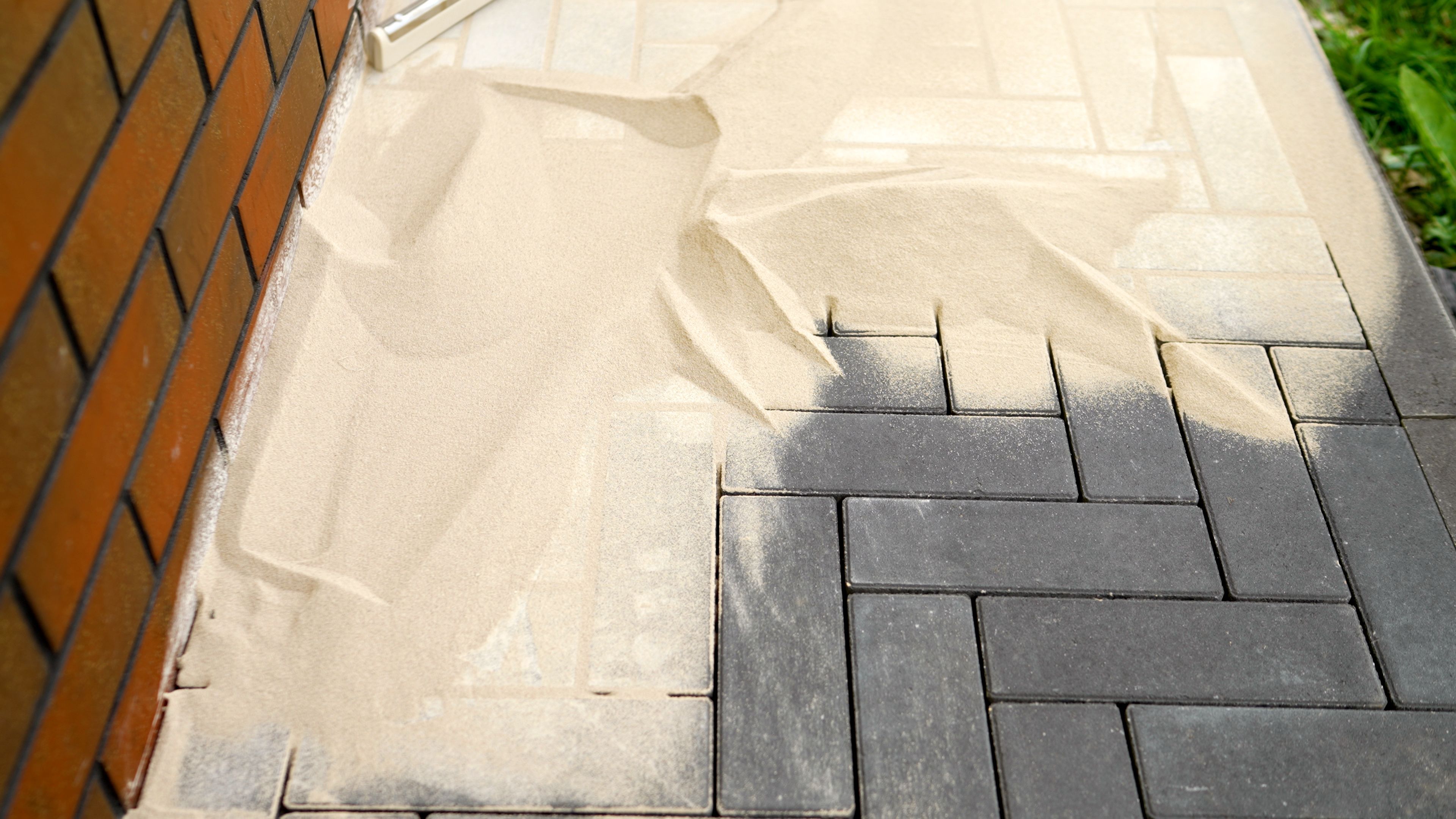
Myth 3: Concrete and Pavers Require the Same Maintenance
Concrete and pavers have different maintenance needs. Concrete driveways may require sealing every few years to prevent cracks and stains. Pavers, however, need regular cleaning and periodic re-sanding of joints to maintain their appearance and functionality.
Pavers can also resist stains better than concrete, especially if they're properly sealed. This can be particularly beneficial for areas prone to oil spills or heavy foot traffic.
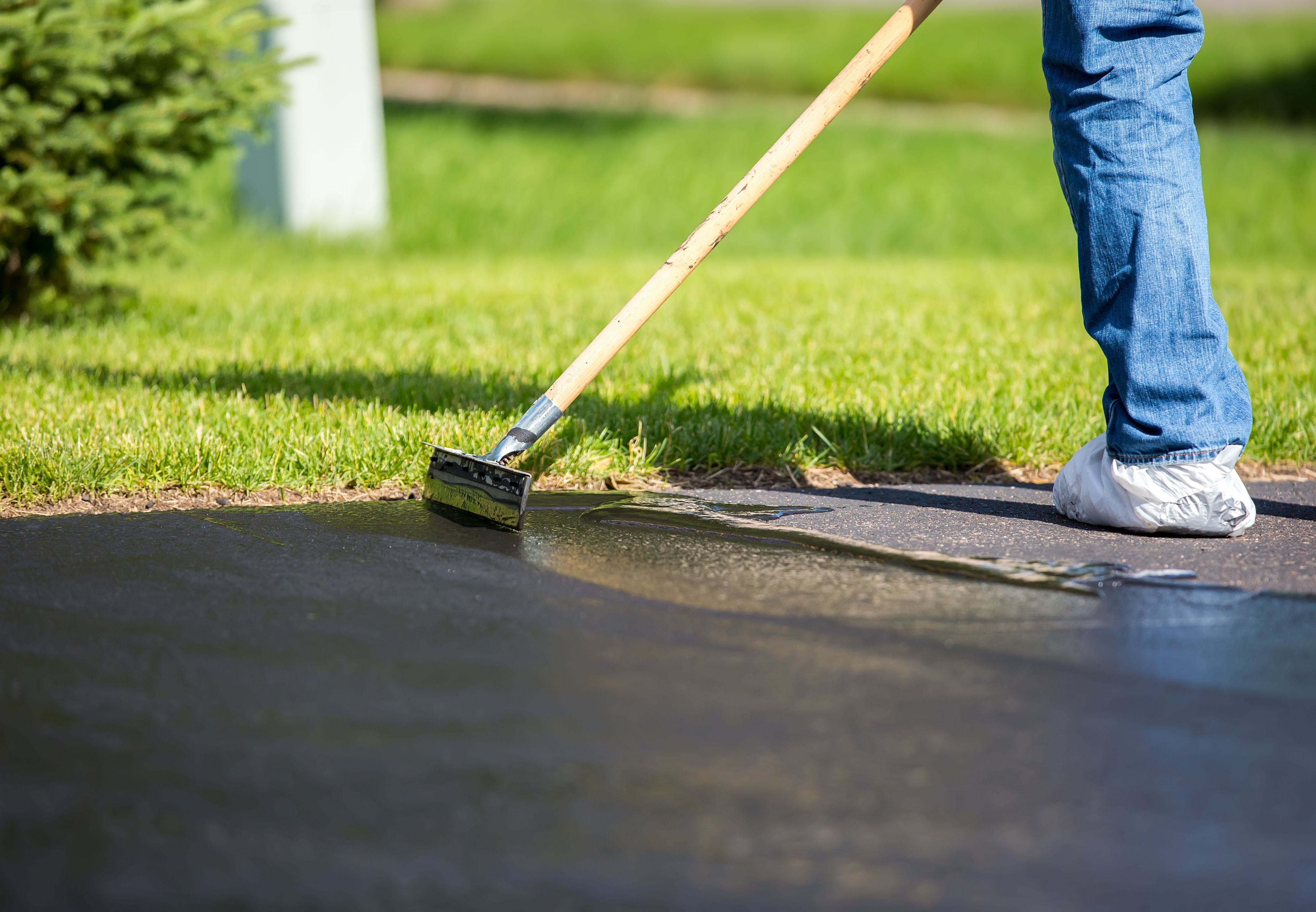
Myth 4: Both Materials Are Limited in Design Options
Another myth is that concrete and pavers lack design versatility. In reality, both materials offer a wide range of styles, colors, and patterns. Concrete can be stained, stamped, or colored to achieve various looks, while pavers come in numerous shapes and shades.
This variety allows homeowners to create unique outdoor spaces that complement their home's architecture and personal style.
Conclusion
By debunking these common myths, homeowners can make better decisions about their outdoor spaces. Whether choosing concrete or pavers, understanding the facts ensures that installations meet expectations in terms of durability, cost, and aesthetics.
Ultimately, both concrete and pavers have their unique benefits. Proper research and consultation with professionals can help determine the best choice for your specific needs.